How to Share Your Story Through Podcasting
Podcasting has emerged as one of the most engaging and accessible platforms for storytelling. With millions of podcasts available, it’s clear that people are eager to share their experiences and connect with others. Whether you’re a seasoned storyteller or just starting out, podcasting offers a unique opportunity to share your narrative in a way that resonates with listeners. In this post, we’ll explore how to effectively share your story through podcasting, from the initial concept to the final production.

Understanding Your Audience
Before you dive into creating your podcast, it’s crucial to understand who your audience is. Knowing your listeners will help shape your content and delivery style. Here are some steps to identify and connect with your audience:
Define Your Target Audience
Demographics: Consider age, gender, location, and interests. Are you targeting young adults, parents, or professionals?
Interests: What topics resonate with your audience? Are they interested in personal development, true crime, or health and wellness?
Listening Habits: Understand when and how your audience listens to podcasts. Do they prefer short episodes during commutes or longer, in-depth discussions?
Create Listener Personas
Developing listener personas can help you visualize your audience. Create profiles that include:
Name: Give your persona a name.
Background: Include details about their life, interests, and challenges.
Goals: What do they hope to gain from your podcast?
By understanding your audience, you can tailor your content to meet their needs and expectations.
Crafting Your Story
Once you have a clear understanding of your audience, it’s time to craft your story. Here are some tips to help you create compelling content:
Identify Your Core Message
What is the main takeaway you want your listeners to have? Your core message should be clear and resonate throughout your episodes. For example, if your podcast is about overcoming adversity, your core message might be about resilience and personal growth.
Structure Your Episodes
A well-structured episode keeps listeners engaged. Consider the following format:
Introduction: Start with a hook to grab attention. This could be a surprising fact, a personal anecdote, or a question.
Body: Share your story in a logical flow. Use segments to break up the content and maintain interest.
Conclusion: Summarize key points and leave listeners with a call to action or something to ponder.
Use Storytelling Techniques
Incorporate storytelling techniques to make your narrative more engaging:
Show, Don’t Tell: Use descriptive language to paint a picture. Instead of saying, “I was nervous,” describe the physical sensations you felt.
Create Conflict: Every good story has conflict. Share challenges you faced and how you overcame them.
Include Emotion: Connect with your audience on an emotional level. Share your feelings and experiences to make your story relatable.
Choosing the Right Format
Podcasting offers various formats to share your story. Consider which format best suits your content and audience:
Solo Podcast
In a solo podcast, you share your story directly with your audience. This format allows for deep dives into personal experiences and insights. It’s ideal for those who enjoy speaking and have a strong narrative to share.
Interview Format
Bringing guests onto your podcast can add depth and variety. Interviews allow you to explore different perspectives and experiences. Choose guests who align with your theme and can contribute valuable insights.
Narrative Style
A narrative podcast weaves together storytelling with sound design and music. This format can be more complex but allows for a rich listening experience. It’s suitable for those who want to create a more immersive storytelling environment.
Recording and Editing Your Podcast
Once you have your content planned, it’s time to record and edit your podcast. Here are some tips to ensure high-quality audio:
Invest in Good Equipment
Quality audio is crucial for a successful podcast. Consider investing in:
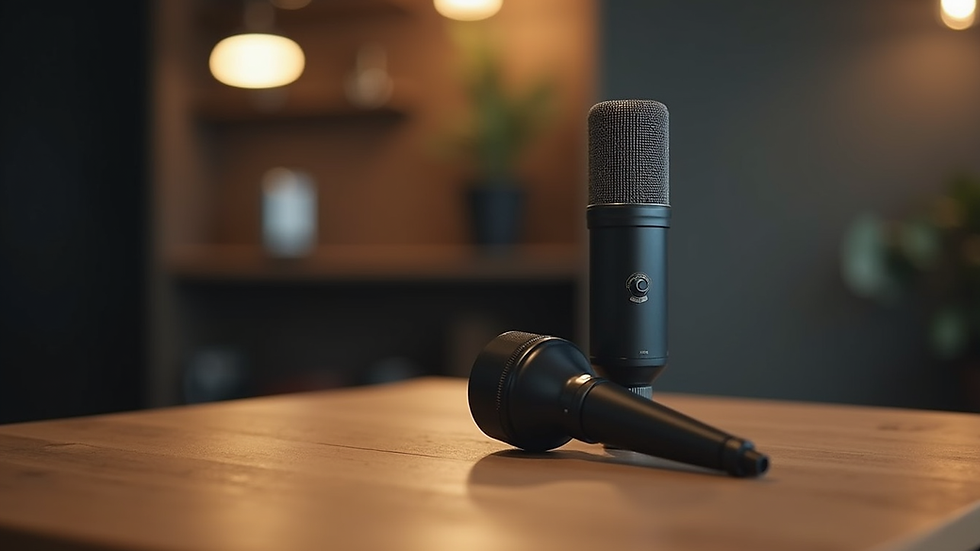
Microphone: A good microphone can significantly improve sound quality.
Headphones: Use closed-back headphones to monitor your audio while recording.
Recording Software: Choose user-friendly software for recording and editing, such as Audacity or GarageBand.
Create a Quiet Recording Environment
Find a quiet space to record your podcast. Minimize background noise by:
Closing windows and doors.
Using soundproofing materials, like blankets or foam panels.
Recording during quieter times of the day.
Edit for Clarity
Editing is essential for a polished final product. Focus on:
Removing Mistakes: Cut out any long pauses, filler words, or mistakes.
Adding Music and Sound Effects: Enhance your storytelling with background music or sound effects, but ensure they don’t overpower your voice.
Balancing Audio Levels: Make sure your voice is clear and at a consistent volume throughout the episode.
Promoting Your Podcast
Once your podcast is ready, it’s time to share it with the world. Here are some effective promotion strategies:
Leverage Social Media
Use social media platforms to promote your podcast. Share snippets, behind-the-scenes content, and episode highlights to engage your audience. Consider creating dedicated accounts for your podcast to build a community around it.
Collaborate with Other Podcasters
Networking with other podcasters can help you reach new audiences. Consider guest appearances on other shows or inviting guests to your podcast. This cross-promotion can introduce your content to new listeners.
Submit to Podcast Directories
Ensure your podcast is available on popular directories like Apple Podcasts, Spotify, and Google Podcasts. This increases visibility and makes it easier for listeners to find your show.
Engaging with Your Audience
Building a connection with your audience is vital for long-term success. Here are ways to engage with your listeners:
Encourage Feedback
Ask your audience for feedback on your episodes. This can help you improve your content and understand what resonates with them. Consider creating surveys or encouraging comments on social media.
Create a Community
Foster a sense of community by creating a space for listeners to connect. This could be a Facebook group, Discord server, or a dedicated section on your website. Encourage discussions and interactions among your audience.
Host Live Events
Consider hosting live events or Q&A sessions to engage with your audience in real-time. This can create a more personal connection and allow listeners to interact with you directly.
Measuring Success
To understand the impact of your podcast, it’s essential to measure its success. Here are some key metrics to track:
Download Numbers
Monitor how many downloads each episode receives. This can give you insight into which topics resonate most with your audience.
Listener Engagement
Track listener engagement through comments, social media interactions, and feedback. High engagement indicates that your content is resonating with your audience.
Growth Over Time
Analyze your podcast’s growth over time. Are you gaining new listeners consistently? Understanding your growth can help you adjust your strategies and content.
Conclusion
Sharing your story through podcasting is a powerful way to connect with others and make an impact. By understanding your audience, crafting compelling narratives, and promoting your podcast effectively, you can create a platform that resonates with listeners. Remember to engage with your audience and measure your success to continually improve your content. Start your podcasting journey today and share your unique story with the world!

Comments